

Minimally invasive surgery has transformed modern surgical practice by allowing surgeons to perform complex procedures through smaller incisions compared to traditional open surgery. These advanced techniques help reduce surgical trauma while improving recovery and patient comfort.
Today, minimally invasive procedures are widely used across many surgical specialties and continue to play a major role in enhancing patient outcomes and healthcare efficiency.
What Is Minimally Invasive Surgery?
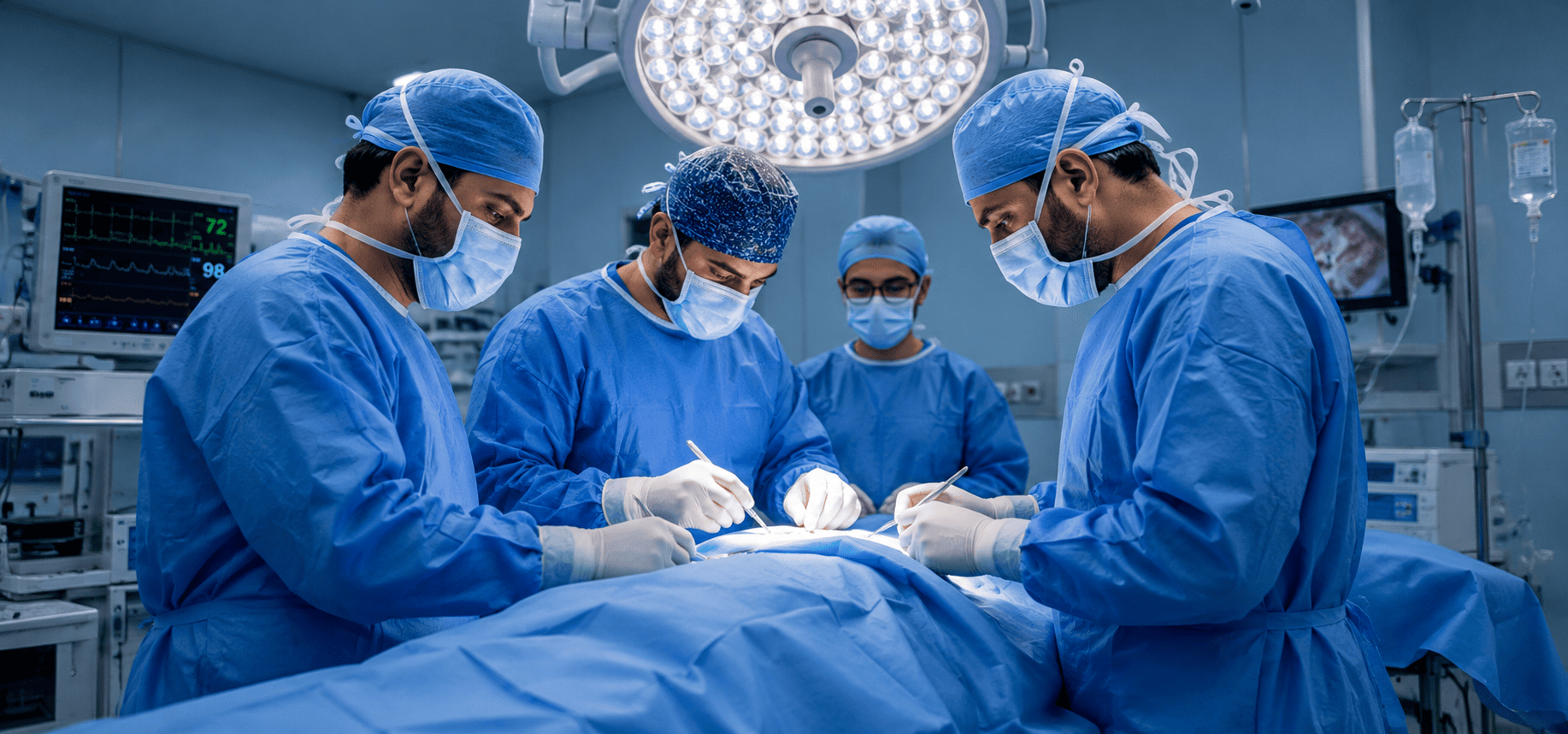
Minimally invasive surgery refers to surgical techniques that use small incisions, specialized instruments, and advanced imaging technology to perform procedures with less disruption to surrounding tissues.
1. Smaller incisions and less tissue damage
Unlike traditional open surgery, minimally invasive procedures require only small incisions, helping reduce trauma to the body and improve healing.
2. Advanced surgical technology
Surgeons use cameras, laparoscopic instruments, and specialized equipment to perform procedures with enhanced precision and visibility.
These innovations have significantly improved surgical safety and effectiveness across many medical conditions.
“Advances in minimally invasive surgery continue to improve patient safety, recovery times, and overall surgical outcomes.”
Jordanian Society of Surgeons
As surgical technology continues to evolve, minimally invasive techniques are becoming increasingly accessible and are now considered standard practice for many procedures worldwide.
Benefits of Minimally Invasive Surgery
Several important advantages have contributed to the growing popularity of minimally invasive procedures.

1. Faster Recovery and Shorter Hospital Stays
Patients often experience quicker recovery periods, allowing them to return to normal daily activities sooner than with traditional open surgery.
2. Reduced Pain and Lower Risk of Complications
Smaller incisions generally result in less postoperative pain, reduced blood loss, and lower risks of infection and wound-related complications.
Many patients also benefit from improved cosmetic results due to minimal scarring.
Conclusion
Minimally invasive surgery represents one of the most significant advancements in modern healthcare. Through smaller incisions, advanced technology, and improved precision, these procedures offer safer treatment options and better patient experiences.
The Jordanian Society of Surgeons remains committed to supporting surgical education, innovation, and the adoption of advanced techniques that enhance patient care and surgical excellence.