

Heart disease remains one of the leading causes of illness and death worldwide. Despite significant advances in cardiovascular medicine, many individuals fail to recognize the early warning signs that may indicate an underlying heart condition. Early detection plays a critical role in preventing complications and improving long-term outcomes.
Understanding the symptoms of heart disease can help individuals seek medical attention before a condition becomes severe. Awareness, prevention, and timely intervention are key components of maintaining a healthy heart.

What Is Heart Disease?
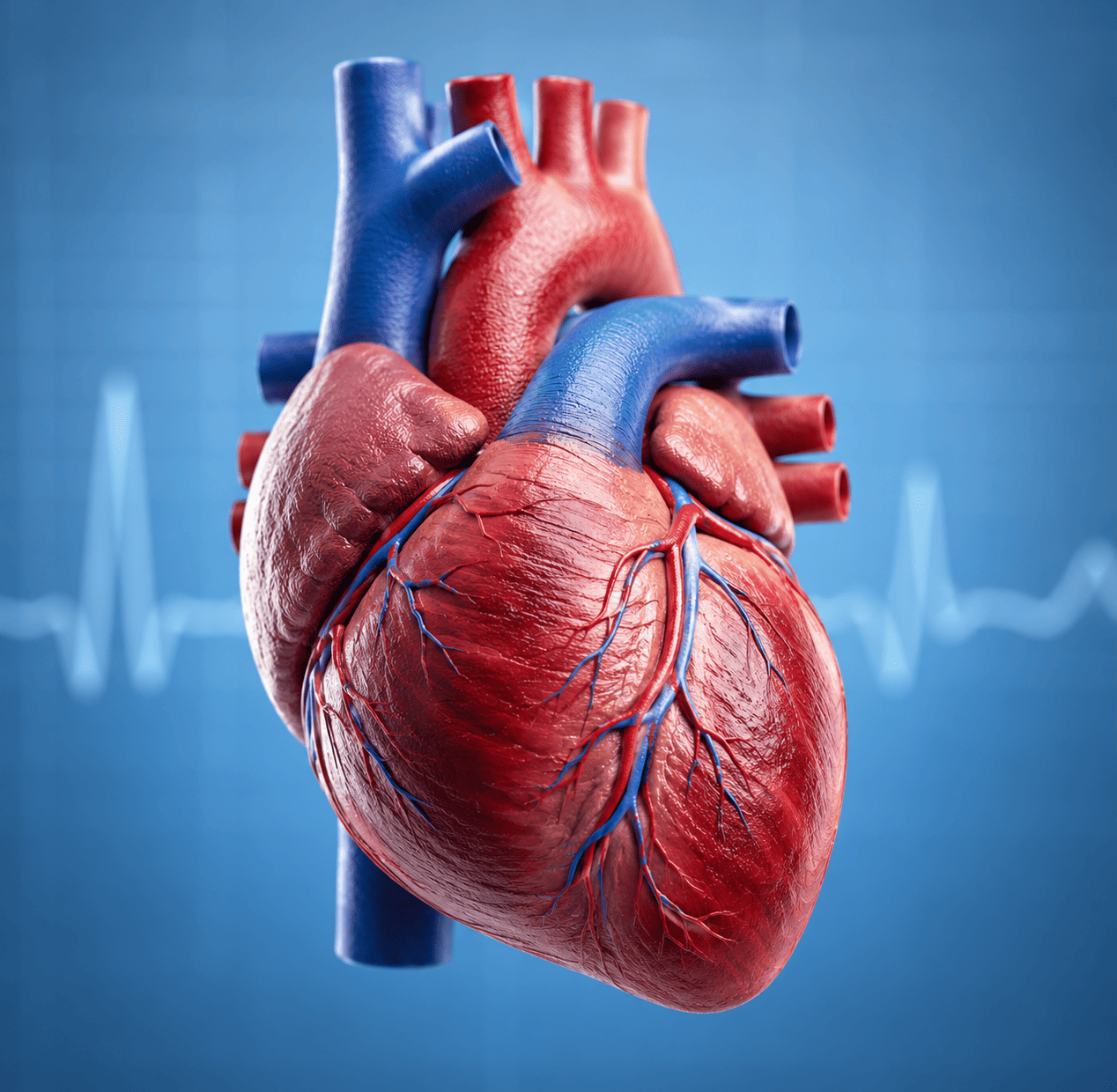
Heart disease refers to a group of conditions that affect the structure and function of the heart. These conditions include coronary artery disease, heart failure, arrhythmias, congenital heart defects, and heart valve disorders.
1. Heart disease includes various cardiovascular conditions
Heart disease is a broad medical term that covers several disorders affecting the heart and blood vessels. These conditions may impact the heart’s ability to pump blood efficiently and maintain normal circulation throughout the body.
2. Many heart conditions develop gradually over time
Many forms of heart disease progress slowly and may not cause noticeable symptoms during their early stages. As a result, regular medical checkups and cardiovascular screenings play an important role in early detection and prevention.
Heart disease remains one of the leading causes of illness worldwide. Understanding the warning signs, managing risk factors, and adopting healthy lifestyle habits can significantly reduce the risk of serious cardiovascular complications.
Common Early Signs of Heart Disease
Chest Discomfort
One of the most recognized symptoms of heart disease is chest pain or discomfort. Individuals may experience pressure, tightness, fullness, or a squeezing sensation in the chest.
Shortness of Breath
Difficulty breathing during physical activity or even while resting can be an early indication of a cardiovascular problem. Reduced heart function may limit the body’s ability to circulate oxygen-rich blood efficiently.
Fatigue and Reduced Energy Levels
Persistent fatigue, especially when performing routine activities, may signal that the heart is not functioning optimally.
Irregular Heartbeat
A racing, fluttering, or irregular heartbeat may indicate an arrhythmia that requires medical evaluation.
Dizziness or Lightheadedness
Reduced blood flow to the brain may result in dizziness, fainting, or episodes of lightheadedness.
Swelling in the Legs and Feet
Fluid retention in the lower extremities can be associated with heart failure and other cardiovascular conditions.

Major Risk Factors for Heart Disease
Several factors increase the likelihood of developing cardiovascular disease:
- High blood pressure
- High cholesterol levels
- Diabetes
- Smoking
- Obesity
- Physical inactivity
- Unhealthy diet
- Family history of heart disease
- Chronic stress
Managing these risk factors can significantly reduce the chances of developing serious heart conditions.
When Should You See a Cardiologist?
Individuals experiencing persistent chest discomfort, unexplained shortness of breath, irregular heartbeats, or other concerning symptoms should seek medical evaluation promptly.
Regular cardiac checkups are particularly important for individuals with multiple cardiovascular risk factors or a family history of heart disease.
Prevention and Heart Health
Prevention remains the most effective strategy for reducing the burden of cardiovascular disease. Healthy lifestyle habits include:
- Following a balanced diet rich in fruits and vegetables
- Engaging in regular physical activity
- Maintaining a healthy body weight
- Avoiding tobacco products
- Managing blood pressure and cholesterol levels
- Reducing stress
- Attending routine medical examinations
These measures can significantly improve cardiovascular health and overall well-being.
Conclusion
Recognizing the early signs of heart disease can save lives. Symptoms such as chest discomfort, shortness of breath, fatigue, and irregular heartbeats should never be ignored. Through awareness, prevention, and timely medical care, individuals can reduce their risk of serious cardiovascular complications and enjoy better long-term heart health.
The Jordanian Cardiac Society remains committed to promoting cardiovascular awareness, education, and preventive care to support healthier communities throughout Jordan.